Understanding the Current Geopolitical Landscape: A Discourse on U.S. Policy Towards Iran
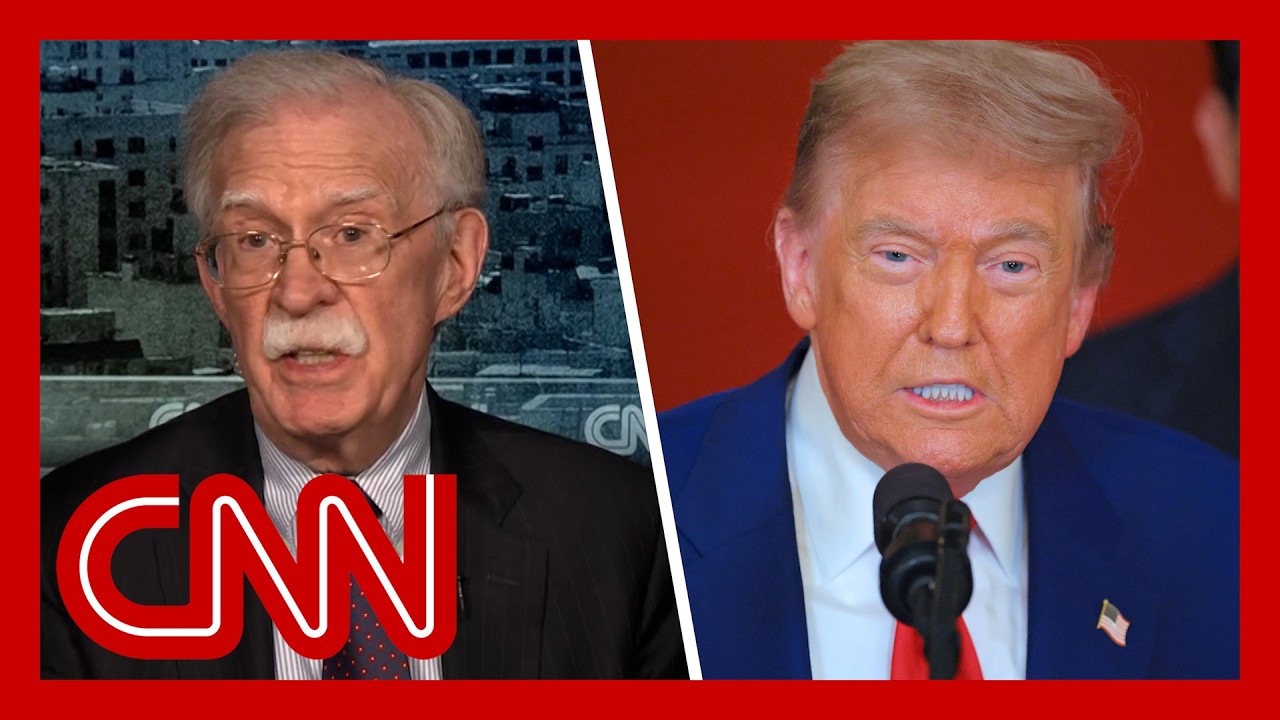
As President Biden prepares to address the nation on the ongoing conflict in the Middle East, the discourse among foreign policy experts is vibrant and charged. Central to this discussion is the perspective of former National Security Adviser John Bolton, who has articulated grave concerns regarding the ramifications of the United States’ potential disengagement from the region.
Bolton posits that the President’s previous comments—asserting the war is over and that the United States no longer needs to negotiate with Iran—signal a retreat rooted not in strategic military analysis but rather in immediate political considerations, notably the rising gas prices that weigh heavily on the American populace. He foresees a declaration of victory that lacks a substantial foundation in U.S. national interests, arguing, “This is not strategy. This is someone who’s not thinking in long-term American national interests.”
The Illusion of Victory
One of the most contentious points raised by Bolton is the claim that regime change has already occurred in Iran. He argues that despite the political shifts within the country, the fundamental ideology driving its actions remains unchanged. “It’s the same regime, just different faces,” he states, elucidating the ongoing threat posed by a wounded but not defeated Iran. The narrative of U.S. victory seems shallow when one considers that Iran continues to destabilize the region and maintain its capacity for asymmetric warfare.
For context, Iran’s strategic positions, particularly its ability to close the Strait of Hormuz—a critical chokepoint for global oil shipments—remain undeterred. Bolton warns that while the Iranian regime has been "badly wounded," it is concurrently strengthening alliances with Russia and China, thereby enhancing its military capabilities and economic prospects. “If we walk away from this,” he states, “the Chinese will be more than happy to invest in Iranian oil infrastructure.”
Allies in Distress
The ramifications of a U.S. withdrawal extend beyond the Middle East. As Bolton highlights, American allies, especially in the Gulf, are left to grapple with an empowered Iran without the backing of U.S. military support. The implications of such a scenario raise significant concerns about regional stability. Gulf states—previously reliant on U.S. deterrents—now face the daunting prospect of managing Iranian aggression independently.
Analysts like Richard Haass have termed this a “we broke it, you own it” strategy, indicating that the ensuing instability may force other nations to negotiate with a hostile Iran. The erosion of American credibility, both in the eyes of allies and adversaries, could have lasting effects on international relations.
The Risks of Inaction
Retired Army Lieutenant General Karen Gibson weighs in on the potential military and diplomatic strategies available to the President. While acknowledging the U.S. has considerable military assets deployed, she emphasizes that any military action taken must be controlled and precise, rather than a full-scale invasion. “These missions would come with some element of risk,” she reminds us, underscoring the delicate balance between military objectives and geopolitical stability.
Moreover, the mention of ongoing threats, including cyber-attacks and kidnappings linked to Iranian proxies, illustrates the multifaceted nature of Iran’s warfare capabilities. U.S. journalist Shelley Hiddleston’s recent kidnapping underscores the immediate dangers that American citizens face abroad, raising questions about the effectiveness of current U.S. policies.
Conclusion: A Complex Web of Consequences
As President Biden prepares his address, the dynamics surrounding U.S. involvement in Iran exemplify the complex interplay between military strategy, diplomatic relations, and economic realities. Bolton’s criticisms resonate with those who fear that an abrupt withdrawal may not only embolden Iran but also leave U.S. allies in perilous predicaments.
The forthcoming speech will undoubtedly shape public perception and influence America’s long-term strategy in one of the world’s most volatile regions. As this narrative unfolds, attention must be paid not just to the immediate consequences, but to the broader implications for U.S. foreign policy in the years to come. The interplay of power in the Middle East remains a chess game wherein each move—be it military or diplomatic—carries weighty repercussions.